Twenty minutes. That is how long it took Ryan and me to get from touchdown at Singapore Changi to the back seat of a taxi. And five of those minutes were our fault because we walked in the wrong direction looking for the immigration scanner. No queues. No interrogation. No security guard sizing you up like you have done something wrong. Just a passport scan, a photo, a green light, and your bag already waiting on the belt. We are here for the IATA World Data Symposium, and the country hosting it just gave us the most compelling presentation before the event even started.
What Seamless Actually Looks Like
There is a word the aviation industry loves to use in boardrooms and on conference stages: seamless. You hear it in every airline strategy deck, every airport masterplan, every regulator's vision document. Most of the time it means nothing. It is a word that fills a PowerPoint slide while the passenger is still standing in a queue that has not moved in forty minutes.
Singapore does not use the word. It just does the thing. Changi Airport now processes 95 percent of arriving travellers through automated immigration lanes. Biometric facial and iris recognition clears you in under ten seconds. There is no visa required for most nationalities, just a two-minute online health declaration emailed to you before departure. The system does not feel like it is watching you. It feels like it is welcoming you. That distinction matters more than most technologists realise.
And it does not stop at the airport. The entire city operates at this standard. We have not waited for a single thing since we arrived. Not a taxi, not a meal, not a drink. There are robots clearing plates at breakfast. The public transport system accepts contactless payment from your phone. Every touchpoint has been designed around one principle: remove friction, respect the person's time, and get out of the way.

The Upside No One Talks About
Here is what struck me, and this is the part I want pilots and aviation professionals to sit with for a moment. The technology in Singapore is not impressive because it is advanced. It is impressive because you barely notice it. The best technology does not announce itself. It does not require a tutorial. It does not make you feel like a criminal or an inconvenience. It just works, and you only realise how good it was when you compare it to what you are used to.
I have been through Charles de Gaulle more times than I can count over the past few years. Paris has automated passport scanners for European passport holders too. The technology exists. But every time I have been there, at least one machine is broken, someone is stuck asking for assistance, and the queue outside the automated gates is just as long as the manual stamp line. The hardware is present, but the system around it is not designed to flow. It is designed to exist.
That is the lesson for our industry. Aviation is investing billions in AI, digital twins, predictive maintenance, automated operations, and data-driven decision-making. The IATA World Data Symposium this week will showcase all of it. Over 700 industry leaders are here in Singapore to talk about using data to drive operational efficiency, strengthening cybersecurity, and leveraging AI to transform performance and passenger experience. These are the right conversations. But the technology is not the hard part. The implementation is. The cultural commitment to making it work for the human being at the end of the process is what separates a system that transforms from a system that just exists on a balance sheet.
The Uncomfortable Mirror
For those of us who work in aviation, Singapore holds up an uncomfortable mirror. We talk about digital transformation constantly. We have the conferences, the white papers, the innovation labs. But how much of it actually reaches the person who matters?
I have watched organisations invest in digital platforms that pilots refuse to use because nobody consulted them during the design phase. I have seen airlines roll out apps that create more work than they save. I have sat in meetings where the phrase "digital transformation" was used eleven times and not once did anyone mention the end user.
Singapore did not build Changi's immigration system and then hope people would figure it out. They built it around the person walking through it. The traveller does not need to understand facial recognition algorithms or biometric data processing. They just need to walk forward, look at a camera, and keep moving. That is design. That is implementation. That is the standard.

The Pilot's Takeaway
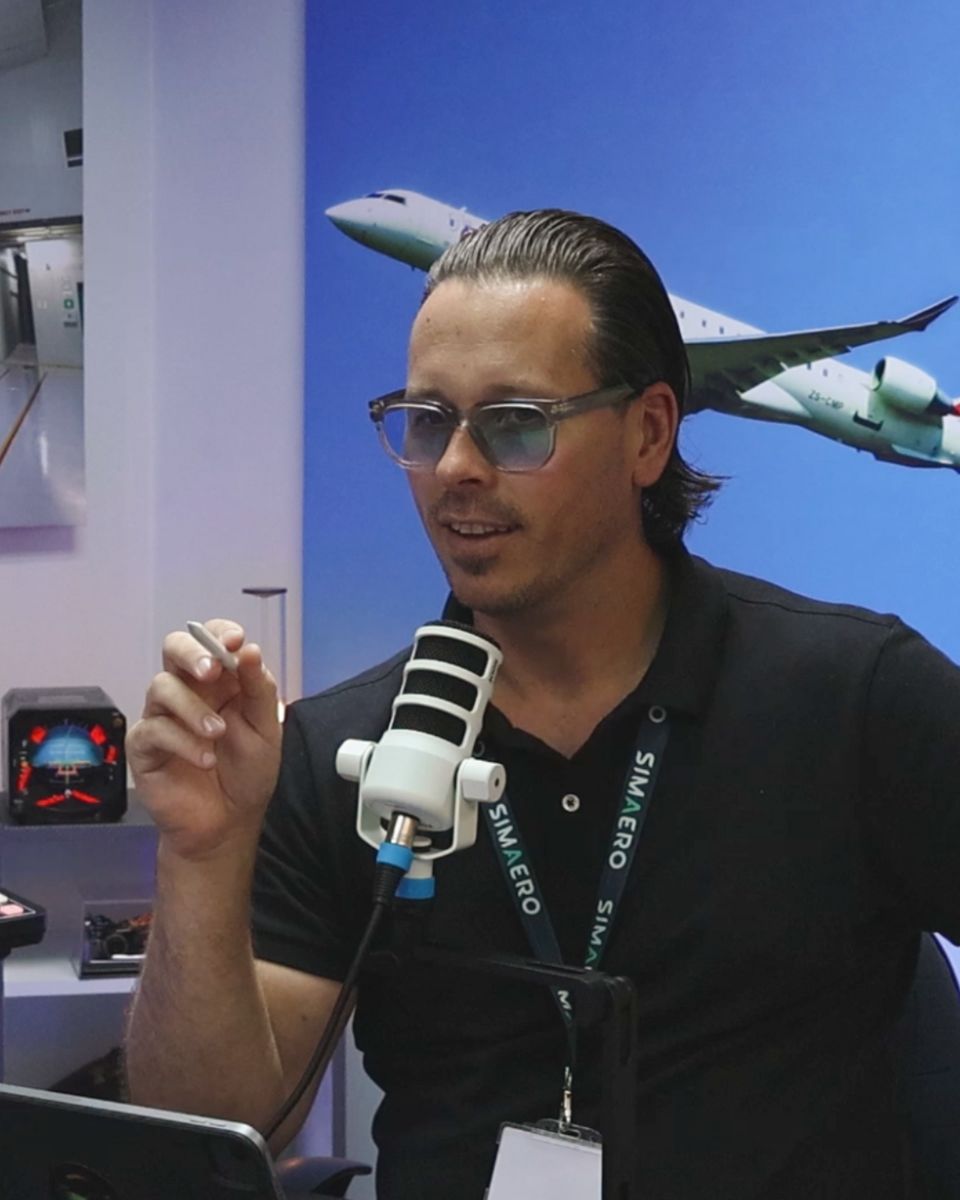
This week at IATA WDS, Ryan and I are going to be pushing out a lot of content. Live podcasts, interviews, and conversations with the people shaping aviation's data and technology future. I am moderating a panel discussion called Smarter Skies, and the questions I am most interested in are not about what technology can do. They are about how it is being implemented and whether it is actually reaching the people who need it.
If you are a pilot reading this, here is your Kaizen step for the week. Think about the technology you interact with in your operation. Your EFB, your rostering system, your training platform, your company's reporting tools. Which ones feel like Singapore, where the technology disappears and you just get the result? And which ones feel like Charles de Gaulle, where the technology exists but the experience is no better than the manual process it replaced? That gap is where your feedback matters. The best systems get built when the people using them speak up about what works and what does not. Be the pilot who gives that feedback, not the one who just works around the problem.
WDS 2026
The IATA World Data Symposium kicks off today, and I could not ask for a better host city to frame the conversation. Singapore is not a glimpse of the future. It is the standard that already exists, waiting for the rest of us to catch up. The question for our industry is not whether the technology is ready. It is whether we are willing to implement it with the same discipline, the same user focus, and the same relentless commitment to making things flow.
Ryan and I will be reporting from Singapore all week. Follow the Bryan Air Podcast on YouTube for daily episodes, interviews, and behind-the-scenes content from IATA WDS 2026. I would love to hear what technology in your operation feels seamless and what still feels like it belongs in a different era. Drop us a message. Let us talk about it.
Fly safe. Smart decisions.
Bryan